
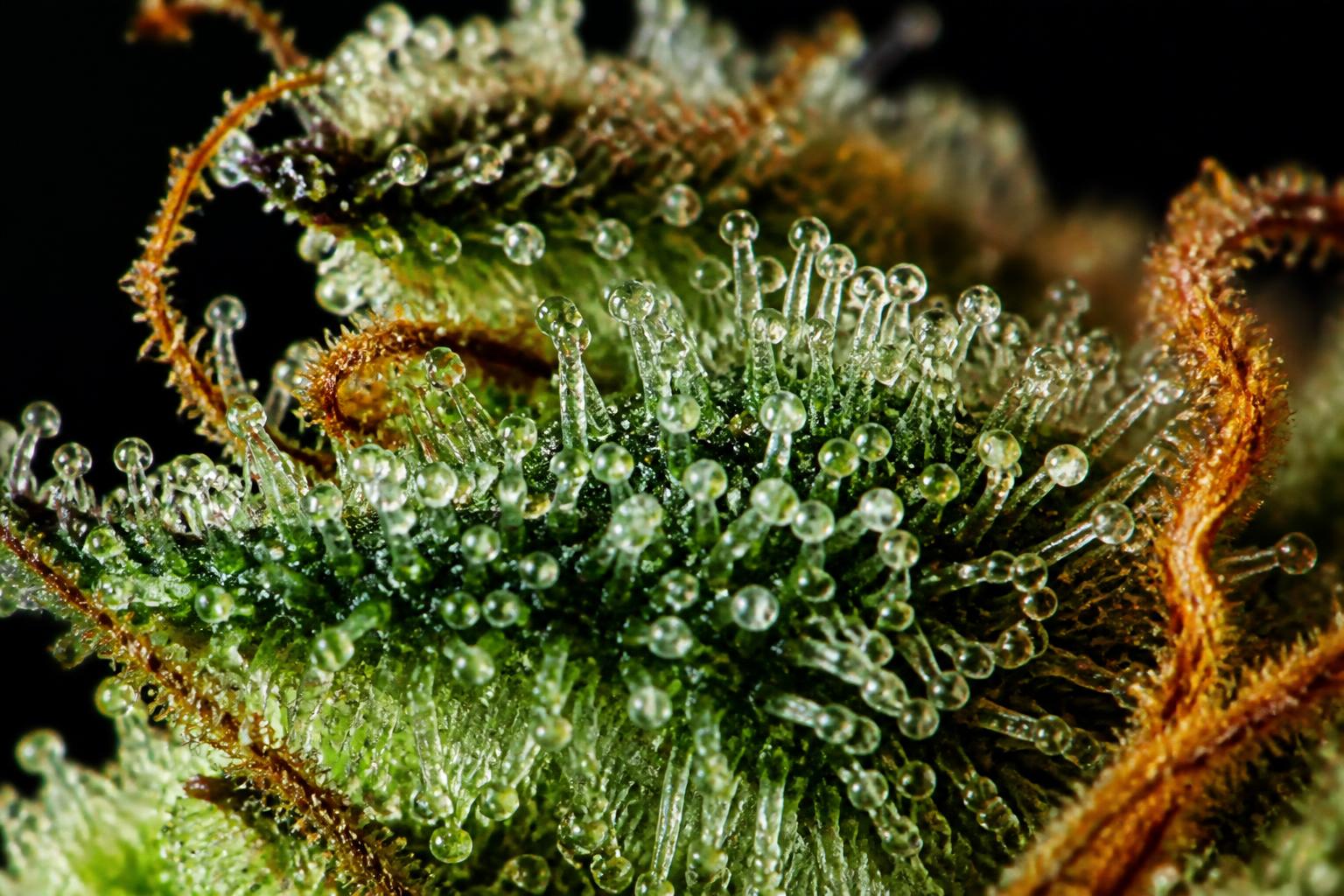
More than 300 peer reviewed studies now confirm the efficacy of cannabis based medicines across multiple conditions, offering a natural alternative where conventional pharmaceuticals often fall short.
Hemp is of first necessity to the wealth and protection of the country.
Clinical applications backed by rigorous research
1. Chronic pain management
- 25 to 30 percent reduction in neuropathic pain compared with placebo
- 40 percent lower opioid dependence in chronic pain patients using cannabis adjunctively
- Mechanism, CB1 and CB2 receptor modulation reduces inflammatory prostaglandins
2. Treatment resistant epilepsy
- Cannabidiol reduces seizures by more than 50 percent in Dravet syndrome
- Myoclonic seizures show particular responsiveness to balanced THC and CBD formulations
3. Mental health
- CBD for PTSD, 66 percent symptom reduction in clinical trials
- Low dose THC shows anxiolytic effects via hippocampal neurogenesis
4. Neurodegenerative disease support
- 30 percent improvement in muscle rigidity with nabiximols in MS spasticity
- THCV demonstrates dopaminergic stabilisation in Parkinson's tremor control
The endocannabinoid system
The endocannabinoid system is the body's own regulatory network. Cannabinoids interact with it directly, which explains the breadth of clinical application.
| Component | Function | Cannabis interaction |
|---|---|---|
| CB1 receptors | Central nervous system modulation | THC binds directly |
| CB2 receptors | Immune response | Beta caryophyllene activation |
| Anandamide | The bliss molecule | CBD inhibits FAAH breakdown |
Emerging research frontiers
- Cancer palliative care, cannabis improves chemotherapy induced nausea by 60 percent
- Autoimmune disorders, CBD activation of PPAR gamma reduces rheumatoid arthritis flare ups